World Athletics amends rules governing shoe technology and Olympic qualification system

Press release:

World Athletics today announces further revisions to its rules governing shoe technology, which are designed to give certainty to athletes preparing for the postponed Tokyo 2020 Olympic Games and to preserve the integrity of elite competition.

These amendments, approved by the World Athletics Council and introduced with immediate effect, are based on significant ongoing discussions with the Working Group on Athletic Shoes, established this year, and with the shoe manufacturers.

They include changes to the maximum height of spiked shoes for track and field events and the establishment of an ‘Athletic Shoe Availability Scheme’ for unsponsored elite athletes. The maximum height for road shoes (40mm) remains unchanged.

The purpose of these amendments is to maintain the current technology status quo until the Olympic Games in Tokyo across all events until a newly formed Working Group on Athletic Shoes, which includes representatives from shoe manufacturers and the World Federation of the Sporting Goods Industry (WFSGI), have had the opportunity to set the parameters for achieving the right balance between innovation, competitive advantage and universality and availability.

The amendments include:

  1. Clarification of the position for new shoes that have been approved to date;
  2. As an ongoing obligation, athletes, their authorised representative or their shoe manufacturer must continue to submit shoe specifications and, if requested, new shoes for examination by our independent expert;
  3. Approved shoes to be made available prior to an international competition for distribution to any uncontracted elite athlete via an Athletic Shoe Availability Scheme. The Working Group on Athletic Shoes will develop this scheme including timelines, elite athlete criteria, numbers of pairs of shoes required and method of distribution.
  4. Confirmation that the manufacturer commits to making the new shoe available via a scheme to provide shoes to unsponsored elite athletes for free and/or for purchase depending on whether they are qualified or an unqualified athlete who benefits from a place at World Athletics Series events or Olympic Games;
  5. Provision of information concerning the availability of the shoe for other unsponsored elite athletes who need a pair of shoes prior to competition. This is in keeping with the principle of shoes being reasonably available to athletes. As a priority item, in its forthcoming meeting we will work with the working group and World Federation of Sports Goods Industry to design an ‘Athletic Shoe Availability Scheme’ to deliver this. The scheme will cover process, criteria, numbers of pairs of shoes required, method of distribution and when the shoe needs to be available from (our position, which has been generally accepted by manufacturers, is for one month prior to international competition). 


The maximum height of athletics shoes have been amended as set out in the table below:

EventMaximum thickness of the sole (As per rule 5.5, notes (i), (ii), (iii) and figures (a) & (b) to rule 5.5, and rule 5.13.3).Further rule requirement
Field events (except triple jump)20mmApplies to all throwing events, and vertical and horizontal jumping events except the triple jump. For all field events, the sole at the centre of the athlete’s forefoot must not be higher than the sole at centre of the athlete’s heel.
Triple jump25mmThe sole at the centre of the athlete’s forefoot must not be higher than the sole at centre of the athlete’s heel.
Track events (including hurdle events) up to but not including 800m20mmFor relays the rule applies to the distance of the leg being run by each athlete.
Track events from 800m and above (including steeplechase events)25mmFor relays the rule applies to the distance of the leg being run by each athlete. For race walking events the maximum thickness of the sole is the same as that for road events.
Cross country25mm 
Road events (running and race walking events)40mm 
Events under rule 57 of the technical rulesAny thickness 

World Athletics CEO Jon Ridgeon said the previous rule changes, announced in late January, were designed to give the athletes clarity before the Tokyo Olympic Games, which were originally due to take place in July-August this year.

However the later postponement of the Olympic Games for a full year, due to the global pandemic, had given the governing body more time to consult with stakeholders and experts and develop amended rules that will guide the sport through until late 2021.

“We have a better understanding now of what technology is already in the market and where we need to draw the line to maintain the status quo until after the Tokyo Olympic Games,” Ridgeon said. 

“In developing these rules we have been mindful of the principles of fair play and universality, maintaining the health and safety of athletes, reflecting the existing shoe market in these challenging economic times, and achieving a broad consensus with the shoe manufacturers who are major investors in our sport.

“These transitional rules give us more time to develop a set of working rules for the long term, which will be introduced after the Olympic Games next year, with the aim of achieving the right balance between innovation, competitive advantage and universality.”

Working Group on Athletic Shoes

The new Working Group on Athletic Shoes (WGAS) met for their first meeting last Wednesday (22 July). It is tasked with scoping and overseeing studies around shoe technology, exploring definitions to provide clarity to athletes about the shoes they are able to compete in, creating a robust certification and control process and providing expert advice and recommendations to the World Athletics Competition Commission on the future direction of World Athletics’ Rules and Regulations concerning elite athlete shoes for the long-term which may or may not be different to the current rules. The structure and composition of the WGAS can be found here.

Advertisement:

No products found.

I get commissions for purchases made through links on this website. As an Amazon Associate I earn from qualifying purchases.

Running in Tarahumara culture

Running in Tarahumara culture

Media Release:

“Running in Tarahumara (Rarámuri) Culture,” just published in Current Anthropology (v61, no. 3 (June 2020): 356-379) studies the Tarahumara Native Americans of northern Mexico. For over a century, the Tarahumara have been famous for their long distance running traditions and abilities, with many accounts claiming they have superhuman athletic abilities that partly result from being uncontaminated by westernization. Now an international team of researchers (including a champion Tarahumara runner) combine their own observations with detailed interviews of elderly Tarahumara runners to dispel these stereotypical myths, which they term the “fallacy of the athletic savage.” Lieberman and colleagues use accounts by Tarahumara runners to detail the various ways Tarahumara used to run for hours to hunt animals, and they describe how the Tarahumara still run traditional long distance races that, for men, involve chasing a small wooden ball and, for women, a hoop. While these many different kinds of running have important social dimensions, running is also a spiritually vital form of prayer for the Tarahumara. Further, contrary to the fallacy of the athletic savage, Tarahumara runners –both men and women– struggle just as much as runners from other cultures to run long distances, and instead of being the natural “superathletes” that some journalists have claimed, they develop their endurance from regular hard work and other endurance physical activities such as lots of walking and dancing.

###

Daniel E. Lieberman, Mickey Mahaffey, Silvino Cubesare Quimare, Nicholas B. Holowka, Ian J. Wallace, and Aaron L. Baggish, “Running in Tarahumara (Rarámuri) Culture: Persistence Hunting, Footracing, Dancing, Work, and the Fallacy of the Athletic Savage,” Current Anthropology 61, no. 3 (June 2020): 356-379.

Advertisement:

No products found.

I get commissions for purchases made through links on this website. As an Amazon Associate I earn from qualifying purchases.

The Science and People Behind Nike NEXT%

Media Release

Barometers of progress abound in running. Thresholds like the 10-second 100-meter dash, four-minute mile and two-hour marathon captivate athletes and fans alike. Once one barrier falls, a new benchmark is set and with it, a new aim for marking human potential.

For Nike, Breaking2 in 2017 unveiled a new approach to footwear design, a synergy between sport science, engineering and athlete which, highlighted by the Nike Zoom Vaporfly 4%, defined an industry-leading approach to improving running economy. Rather than a one-off experiment, the work kick-started an iterative design program resulting in a pioneering system informed by sport science and verified by the Nike Sport Research Lab: Nike NEXT%.

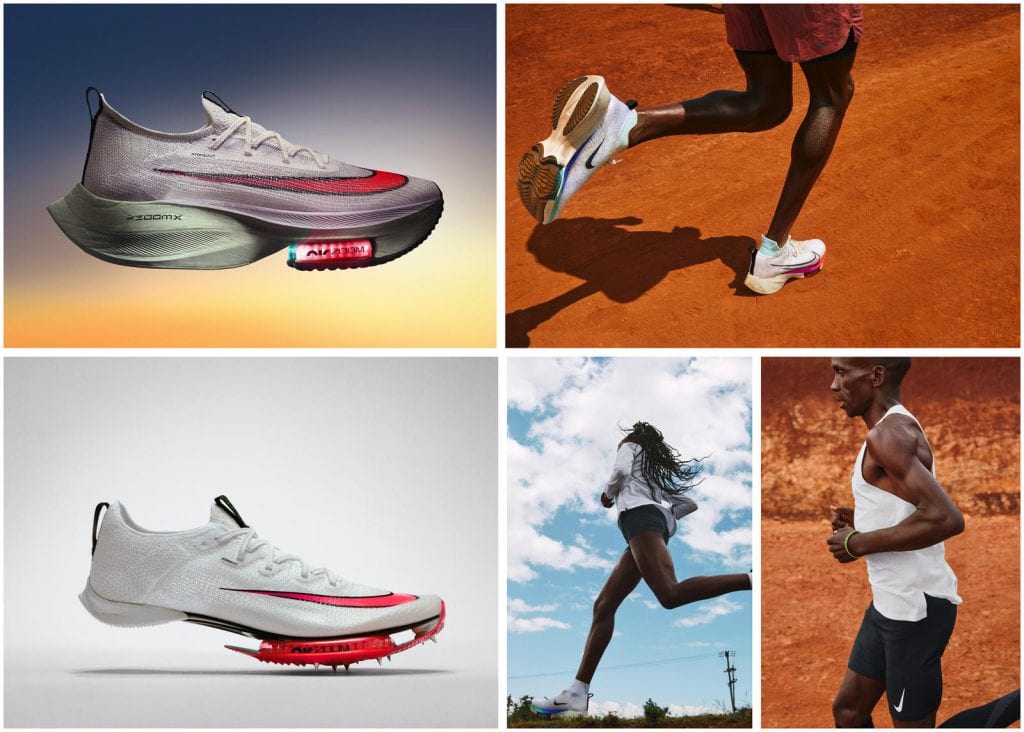
Long-distance efforts remain most tied to the Nike NEXT% program — Eliud Kipchoge broke the two-hour barrier in a prototype of the Nike Air Zoom Alphafly NEXT%. However, the introduction of training shoes, with the Nike Air Zoom Tempo NEXT% and sprint and middle-distance spikes, affirm Nike’s commitment to breaking new barriers and underscore the value of NEXT% principles across disciplines. 

What follows is a behind-the-scenes look at teams pushing NEXT% forward — inch-by-inch, second-by-second — as told by the athletes, designers, engineers and scientists who make it possible.

The Roots of NEXT%

Making athletes better has been central to Nike’s foundation since its founding. But the idea of making athletes measurably better was seeded in 2013. 

“We started to bring together lots of the concepts about how to make athletes more efficient on race day,” says Tony Bignell, VP, Footwear Innovation. “That took many years of research and development and eventually, in 2017, culminated in the Breaking2 event.”Breaking2 Images  65

Eliud Kipchoge debuting the Nike VaporFly 4% during the Breaking2 event in Monza, Italy.

“We started to bring together lots of the concepts about how to make athletes more efficient on race day.”Tony Bignell, VP, Footwear Innovation

Run on a speedway in Monza, Italy, Breaking2 debuted the Nike VaporFly 4%, a pioneering running shoe worn by Eliud Kipchoge, Lelisa Desisa and Zersenay Tadese, born from deep scientific research into the limits of athletic potential, and how footwear can affect running efficiency. This includes baseline assessments, consideration of material elements, such as cushioning, and highly technical physical capacity like critical velocity.

“We look at variables related to a runners’ stride, impact and heart rate to understand how footwear affects their performance. The longer you run above your threshold, the more quickly you’re going to deplete your energy source,” explains Matthew Nurse, VP, NXT Sport Research Lab. “We can measure an athlete’s oxygen consumption to understand their running efficiency (RE), and their maximum aerobic capacity (VO2max). This helps us understand capacity and efficiency. Think about it as the size of your gas tank, and the miles per gallon you get out of that gas tank. In our research, we want to understand what that threshold is for how fast you’re going to deplete, or replenish, your reserves.”

The idea is that if you can help keep the reserves up, an athlete can go longer and faster. The solution is far more complex.

Understanding Goals

Time — as expressed in world records and major barriers — is a relatively easy way to understand running standards. 

“In the U.S. we can all relate to the mile, because we did it in high school,” says 2016 1500-meter gold medalist Matt Centrowitz. “It’s one of the three signature events with the marathon and the 100.”

The events aren’t just signature distances. The barrier times (10 seconds, four minutes and two hours) are historically barometers of human potential. However, getting to grips with the nuances of other events is crucial to the NEXT% promise.

Consider Centrowitz’s signature event, the 1500 meters. The race is a mix of speed and endurance. Or as he explains, “It’s not just like the 100 where it’s right from the gun. You might find yourself running fast early on and then slow it down or vice versa.” 

Laura Muir is a British middle-distance runner. For her, the peculiarities of the 1500 give it an undeniable drama. “It’s an event where you’ve got a mix of lots of different abilities. Some of the people will come from 800, 1500 background, and some people will come from up to 5K background,” says Muir. “It’s probably the only track event where the times that people run in the major championships can be far, far from what they’re capable of.”  What to Know About Nike NEXT% 19

Left: 2016 1500-meter gold medalist, Matt Centrowitz
Right: Nike Air Zoom Victory NEXT%

“In the U.S. we can all relate to the mile, because we did it in high school.  It’s one of the three signature events with the marathon and the 100.”Matt Centrowitz, American middle-distance runner

Speed in the distance is tied to strategy — the middle stages are critical for sorting how the final push will play out. Go out too quickly, one might get tired and fall behind an endurance specialist; go too slowly, a faster finisher may be favored to cross the line first. 

“Different people are good at different things for how the race is run,” says Muir. 

Strategy also defines success in events like the 400-meter hurdles, where pure sprint speed (like in the 200) must be matched by an 800-meter runner’s endurance distance and a jumper’s knack for timing. 

“In the 400 hurdles, you definitely have to be fast. But I think there’s so much more that goes into the 400 hurdles other than speed,” says world record holder Dalilah Muhammad. “Up into this year, I think I had probably the slowest 400 flat time out of all my competitors and was still able to come away with multiple victories. Sometimes speed can almost be a detriment when you’re trying to set a perfect stride pattern.”

Understanding the nuances of individual disciplines also helps with understanding the individual’s goals. “There’s the opportunity to think more broadly and say, Hey, are you trying to win the season? Are you trying to win the event? Are you trying to recover and do this one? Are you trying to be better acclimated to the heat?” reminds Nurse. 

Collaborative Innovation

Individual goals cannot be achieved without a collective spirit. When Nurse and the Nike Sport Research Lab draw conclusions about cushioning, they know there’s a materials team beside them ready to put the same effort into their respective field of expertise. “The first step is just make sure we’re in close enough proximity to have regular contact and a frequent intersection of ideas,” he says.

From there, creating a shared vernacular helps the merger of different sciences. “In the case of foam, we tried to understand what role compression, resiliency, energy return…all of these things play on performance. We want to be able to share with a materials team or footwear team, ‘If you meet these specs, you’re going to have the best outcome for the athlete,’” says Nurse.An Inside Look at the Breaking2 Kit 9

Custom-crafted for each athlete during Breaking2, the Nike Zoom Vaporfly Elite featured Nike ZoomX foam for responsive cushioning and a full-length carbon fiber plate to increase stiffness and provide a propulsion sensation.

“In the case of foam, we tried to understand what role compression, resiliency, energy return…all of these things play on performance.”Matthew Nurse, VP, NXT Sport Research Lab

The specs help define the NEXT% formula. But the scientific data doesn’t define the technologies to be used. Instead, it helps Nike designers and engineers push new boundaries. It helps make clear how interactions between stability, traction, cushioning and more influence what an athlete does in the shoe.

“The groundbreaking research that led to the original Vaporfly unlocked an entirely new way of thinking about marathon shoes,” says Carrie Dimoff, Senior Footwear Innovator. “Once we understood the plate and foam as a system, we started thinking about ways to make the system even more effective.”

Harnessing Running Economy

From 2017 to 2020, experiments with Zoom Air yielded a series of prototypes (revealed by Kipchoge) and produced another significant leap forward in running shoe design.

“The combination of a really highly resilient foam and really responsive plate worked well with athlete’s strides and helped them spring into the next step,” says Dimoff. “When we added Zoom Air, the whole system advanced further, to an even better performing product.”

The system hasn’t just defined marathon shoes — its reworked expectations for equipment from sprinting to training. The eye is toward helping athletes like Centrowitz, Muir and Muhammad reach new potential.What to Know About Nike NEXT% 18

Carrie Dimoff, Senior Footwear Innovator, discusses prototypes with Eliud Kipchoge.

“The groundbreaking research that led to the original Vaporfly unlocked an entirely new way of thinking about marathon shoes.”Carrie Dimoff, Senior Footwear Innovator

“An essential part of your body is, in a sense, the equipment, because that is what you’re running with,” says Muir. 

Extension of the body is where the design, engineering, materials, science and stride join forces. Get the equation correct and an athlete’s critical velocity is supercharged. 

“It just puts you on the balls of your feet, into positions with your foot that you might need to put more of an effort into doing otherwise,” says Centrowitz of his latest first-choice footwear, the Nike Air Zoom Victory NEXT%.

In reducing effort required, the spike helps keep gas in the tank for the ebbs and flows of the 1500 — giving Centrowitz the combined physical and mental boost of elevated running economy.

Imagining the Future

Working with athletes like Centrowitz, Kipchoge, Muir and Muhammad, among other elites, has put Nike NEXT% firmly into the competitive landscape. And while time is connected to their goals, the nuances of each discipline remind of something more approachable for all runners: pace and endurance often define aims. 

Bringing NEXT% engineering into training shoes, as with the Tempo NEXT%, is an early example of pushing measurable benefit away from the stopwatch.

What to Know About Nike NEXT% 12

The Nike Tempo NEXT%

What to Know About Nike NEXT% 12

The Nike Tempo NEXT%

What to Know About Nike NEXT% 12

The Nike Tempo NEXT%

What to Know About Nike NEXT% 12

The Nike Tempo NEXT%

What to Know About Nike NEXT% 12

The Nike Tempo NEXT%

Bringing NEXT% engineering into training shoes, as with the Tempo NEXT%, is an early example of pushing measurable benefit away from the stopwatch.

“We used Nike React foam in the heel to provide more impact protection and durability, and we used a composite plate that is less stiff and designed for daily use,” says Bignell. “Our goal with the Tempo was to help athletes get to the start line in a better, more effective way.”

The shoe bridges the gap between those runners at the top of the performance pyramid and those who just want to reach a little further.  

“Everybody who wants to get out and do something has their own challenges and their own definitions of better, and we need to understand them also if we want to serve a broad spectrum of athletes,” says Nurse.

In doing that, solutions emerge that may present a whole new range of measurable benefits. Faster times? Never-ending endurance? Sport without injury? Who knows. Or as Bignell puts it: “The best thing is to not put any limits on athletes.”

Advertisement:

No products found.

I get commissions for purchases made through links on this website. As an Amazon Associate I earn from qualifying purchases.

Adizero Adios PRO: Created by and for record breakers

Press Release:

adidas adizero

Today, we are introducing the newest member of the award-winning and record breaking adizero family. The adizero adios Pro.

The story of the adizero franchise began in Berlin on 28 September, 2008, when Haile Gebrselassie shattered his own marathon world record and became the first person to break the 2:04hr barrier with adizero adios 1.

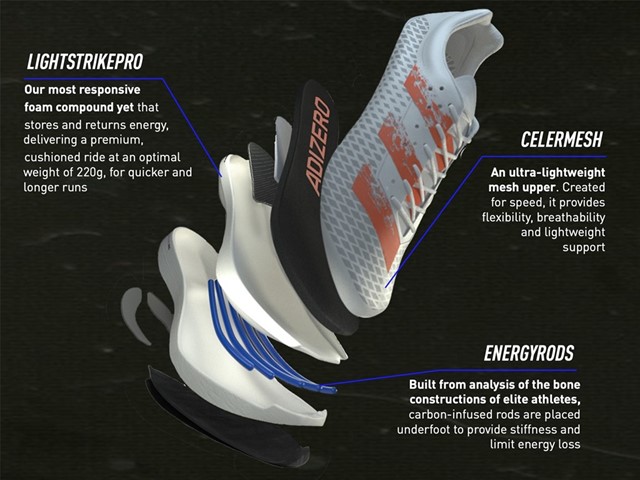
A decade later, the adizero adios Pro was created by a dedicated team with one goal in mind – work with world-class athletes to develop our fastest running shoe. Training across three continents, elite athletes1 – including Joyciline Jepkosgei and Rhonex Kipruto – gave iterative feedback to develop prototypes and challenge everything previously understood about bending stiffness, energy return, mass reduction and design geometry.

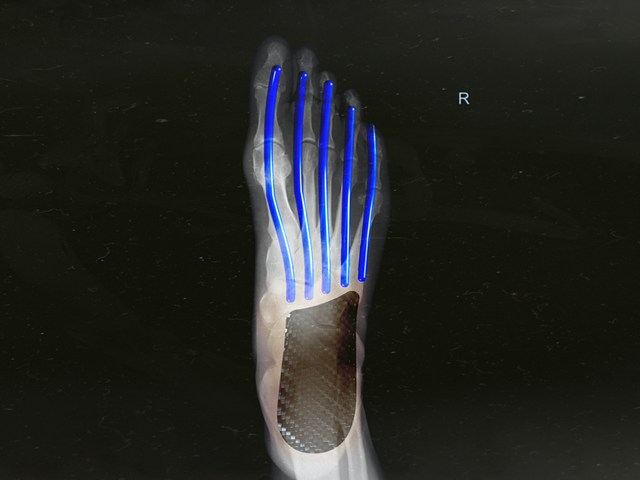
The collaborative process directly led to the shoe’s design breakthrough, EnergyRods. 

EnergyRods consist of five tuned carbon-infused rods, which mimic the metatarsal bones of the foot, allowing runners to maintain their speed for longer, optimizing running economy and creating less physical impact on the body.

The midsole also includes two layers of LightstrikePRO, our lightest and most responsive foam material to-date, providing maximum cushioning and more energy storage. Helping runners maintain speed throughout long distance races, where every second counts. Topped off by a nylon and carbon fibre heel plate, which – combined with the EnergyRods – offers stability for the ankle joint, and correct bending behaviour of the runner’s foot for a smooth ride.

Launching with a limited drop in a bold signal coral and white colorway, the adizero adios Pro is available via the adidas app. Runners can register today to enter the draw and be in with the chance to purchase the footwear on June 30th.

110km runner and world record holder, Rhonex Kipruto; half marathoners, Stephen Kiprop and Philemon Kiplimo; marathon runners Amos Kipruto, Abel Kipchumba, Bethwell Yegon, Albert Korir and Tamirat Tola; two-time Eindhoven Marathon title holder, Festus Talam; and two-time Prague Half Marathon champion, Bernard Kimeli.

Advertisement:

No products found.

I get commissions for purchases made through links on this website. As an Amazon Associate I earn from qualifying purchases.

ASICS wins top prize for advanced carbon technologu behind its first spikeless track shoe, METASPRINT™


RELEASE DATE: 2020.05.14
[Paris, 13th May 2020] Today, at a virtual ceremony in Paris, ASICS was announced the winner of the JEC World Composites Innovation Awards in the Sports and Health care category. The prestigious award was granted by an international jury for the advanced molding technology behind ASICS new spikeless track shoe, METASPRINT™, designed to improve speed over short distance.

The new CFRTP (Carbon Fiber Reinforced Thermoplastics) technology was developed by scientists at ASICS Institute of Sport Science in Kobe. In collaboration with a close team of cross-industry partners, they discovered a new usage for composite materials to advance track shoe development.

Traditionally, sprinters have relied on spikes to gain traction. However, by using the new CFRTP manufacturing technology to mold the sole of the METASPRINT™, ASICS have revolutionized what a track shoe can look like. The new honeycombed carbon fiber outsole removes the spikes to make the traction of the shoe to the track more efficient, so sprinters are able to exert higher propulsion with every step.

Over short distances, where every millisecond saved count, the METASPRINT™ shoe has been shown to improve speed. Tests conducted [1] by ASICS Institute of Sport Science showed that with this technology, runners were able to go up to 0.048 seconds faster over a 100m sprint.

Commenting on the importance of the new technology for the future of ASICS and the sports industry Kenichi Harano – Executive Officer, Senior General Manager, ASICS Institute of Sport Science, says: “CFRTP composite material has been studied by various industries for its very resilient and light qualities. On behalf of ASICS and our close cross-industry partners, we are delighted to be able to accept such a prestigious award and bring this technology to the sports industry. Not only can it help athlete performance, but it can also improve sustainability. The manufacturing method of this technology allows recycling of the unused fragments, thus reducing the waste.

At ASICS it is our mission to create intelligent sports technology that both protects and supports athletes of all abilities to perform at their best. We are committed to continue our effort to develop sustainable, high-quality technologies like this one for the applications of wider sports usage including footwear and other equipment.”

Advertisement:

No products found.

I get commissions for purchases made through links on this website. As an Amazon Associate I earn from qualifying purchases.

Why runner’s addiction is adding to your injury woes

Press Release:

Each week, millions of runners around the world lace up their running shoes, spurred on by the psychological, health and social benefits that running delivers.

The birth of Parkrun in 2004 – now an international activity with more than 20 countries involved – is credited with a sharp rise in the popularity of running in the past decade, but with benefits come downsides.

A new research paper by University of South Australia Adjunct Professor Jan de Jonge and his team reveals the price that runners (and society) pay when the sport becomes an obsession.

Prof de Jonge, based in the Netherlands at Eindhoven University of Technology and Utrecht University, surveyed 246 recreational runners aged 19 to 77 years to investigate how a person’s mental outlook (mental recovery and passion for running) affects their risk of running-related injuries.

Not surprisingly, the more “obsessively passionate” runners – where the sport fully controlled their life to the detriment of partners, friends and relatives – reported far more running-related injuries than those who were more “harmoniously passionate” and laid back in their approach to running.

The latter group, who are in full control of their running and integrate the sport into their life and other activities, reported faster mental recovery after a run and sustained fewer running-related injuries. They were more likely to heed the early warning signs of injuries and take both physical and mental breaks from running whenever necessary.

Obsessively passionate runners disregarded the need to recover after training and failed to mentally detach from the sport, even when running became harmful. Their approach to running delivered short-term gains such as faster times but resulted in more running-related injuries.

Age and gender played a part. The older runners were able to mentally detach and recover a lot faster after a run than those in the 20-34 age group – especially females – who were more prone to running-related injuries.

“Most running-related injuries are sustained as a result of overtraining and overuse or failing to adequately recover, merely due to an obsessive passion for running,” Prof de Jonge says.

“The majority of research focuses on the physical aspects of overtraining and lack of recovery time, but the mental aspects of running-related injuries have been ignored to date.

“When running becomes obsessive, it leads to problems. It controls the person’s life at the expense of other people and activities and leads to more running-related injuries. This behaviour has also been reported in other sports, including professional dancing and cycling.”

In the Netherlands, where the study was undertaken, running-related injuries costs the economy approximately €10 million a year (A$16 million) in medical costs, work absences and reduced productivity. Next to soccer, running is the Dutch sport with the highest number of injuries.

While there are no comparative figures available for Australia, a study by Medibank Private lists running as the 4th most injury-prone sport in Australia after Aussie Rules, basketball and netball, with sporting injuries overall costing the economy more than $2 billion a year.

The paper, “Mental Recovery and Running-Related Injuries in Recreational Runners: the Moderating Role of Passion for Running”, is published open access in the International Journal of Environmental Research and Public Health.

Advertisement:

No products found.

I get commissions for purchases made through links on this website. As an Amazon Associate I earn from qualifying purchases.

What’s New to Nike Trail Running in 2020

Press Release:

Nike is bringing fresh updates throughout 2020 to its three-member Trail series: the Nike Pegasus Trail 2, the Nike Wildhorse 6 and the Nike Air Zoom Terra Kiger 6.
 
Key to the changes on the Wildhorse and Kiger are updates that home in on serious performance — the kind that recognize the distinct variances within trail running that differ from your standard road run or track workout. For the Wildhorse, Nike React foam now delivers more comfort and stability underfoot, while the Kiger is built to keep out more mud, muck and moisture with a new upper.

Meanwhile, the Nike Pegasus Trail gets a full update from its initial offering in 2019. The Nike Pegasus Trail 2 features a new upper and tooling, with underfoot cushioning designed to handle those transitions from road surfaces to the trail and back again.

What’s New About the Nike Pegasus Trail 2

Nike Trail Wildhorse 6 Air Zoom Terra Kiger 6 Official Images and Release Date 19

Wider bottom nets on the rugged outsole help provide stability on inconsistent terrain. A larger toe bumper helps protect the forefoot from rocks, roots and mud.

Nike Trail Wildhorse 6 Air Zoom Terra Kiger 6 Official Images and Release Date 22

A durable FlyMesh upper hugs the foot comfortably, allowing skin to breathe and stay dry. The higher cuff above the heel collar helps keep out dirt and debris.

Nike Trail Wildhorse 6 Air Zoom Terra Kiger 6 Official Images and Release Date 24

The pull tab on the heel allows you to attach your muddy shoes to a backpack or a bag via a carabiner.

Nike Trail Wildhorse 6 Air Zoom Terra Kiger 6 Official Images and Release Date 18

The Pegasus Trail 2

Nike Trail Wildhorse 6 Air Zoom Terra Kiger 6 Official Images and Release Date 21

The shoe now has a full Nike React midsole, helping to maximize comfort on uneven trail surfaces.

Nike Trail Wildhorse 6 Air Zoom Terra Kiger 6 Official Images and Release Date 19

Wider bottom nets on the rugged outsole help provide stability on inconsistent terrain. A larger toe bumper helps protect the forefoot from rocks, roots and mud.

Nike Trail Wildhorse 6 Air Zoom Terra Kiger 6 Official Images and Release Date 22

A durable FlyMesh upper hugs the foot comfortably, allowing skin to breathe and stay dry. The higher cuff above the heel collar helps keep out dirt and debris.

Nike Trail Wildhorse 6 Air Zoom Terra Kiger 6 Official Images and Release Date 24

The pull tab on the heel allows you to attach your muddy shoes to a backpack or a bag via a carabiner.

Nike Trail Wildhorse 6 Air Zoom Terra Kiger 6 Official Images and Release Date 18

The Pegasus Trail 2

Nike Trail Wildhorse 6 Air Zoom Terra Kiger 6 Official Images and Release Date 21

The shoe now has a full Nike React midsole, helping to maximize comfort on uneven trail surfaces.

Nike Trail Wildhorse 6 Air Zoom Terra Kiger 6 Official Images and Release Date 19

Wider bottom nets on the rugged outsole help provide stability on inconsistent terrain. A larger toe bumper helps protect the forefoot from rocks, roots and mud.

What’s New About the Wildhorse 6

Nike Trail Air Zoom Kiger 6 Air Zoom Wildhorse 6 Official Images and Release Date 20

A horseshoe-shaped pod of firmer foam is added in the heel for increased stability. A higher cuff keeps debris out, and the material remains soft and flexible.

Nike Trail Air Zoom Kiger 6 Air Zoom Wildhorse 6 Official Images and Release Date 23

The outsole lugs are now more durable and aggressive in design, which helps improve traction and reduce clogging in muddy conditions.

Nike Trail Air Zoom Kiger 6 Air Zoom Wildhorse 6 Official Images and Release Date 18

A modified lacing system, using a lateral fitband, helps with containment.

Nike Trail Air Zoom Kiger 6 Air Zoom Wildhorse 6 Official Images and Release Date 25

The Wildhorse 6

Nike Trail Air Zoom Kiger 6 Air Zoom Wildhorse 6 Official Images and Release Date 22

Nike React cushioning now runs the length of the midsole.

Nike Trail Air Zoom Kiger 6 Air Zoom Wildhorse 6 Official Images and Release Date 20

A horseshoe-shaped pod of firmer foam is added in the heel for increased stability. A higher cuff keeps debris out, and the material remains soft and flexible.

Nike Trail Air Zoom Kiger 6 Air Zoom Wildhorse 6 Official Images and Release Date 23

The outsole lugs are now more durable and aggressive in design, which helps improve traction and reduce clogging in muddy conditions.

Nike Trail Air Zoom Kiger 6 Air Zoom Wildhorse 6 Official Images and Release Date 18

A modified lacing system, using a lateral fitband, helps with containment.

Nike Trail Air Zoom Kiger 6 Air Zoom Wildhorse 6 Official Images and Release Date 25

The Wildhorse 6

Nike Trail Air Zoom Kiger 6 Air Zoom Wildhorse 6 Official Images and Release Date 22

Nike React cushioning now runs the length of the midsole.

Nike Trail Air Zoom Kiger 6 Air Zoom Wildhorse 6 Official Images and Release Date 20

A horseshoe-shaped pod of firmer foam is added in the heel for increased stability. A higher cuff keeps debris out, and the material remains soft and flexible.

What’s New About the Air Zoom Terra Kiger 6

Nike Trail Air Zoom Kiger 6 Air Zoom Wildhorse 6 Official Images and Release Date 13

An adjusted forefoot provides a more secure fit thanks to isolated front eyelets.

Nike Trail Air Zoom Kiger 6 Air Zoom Wildhorse 6 Official Images and Release Date 14

Designers reduced the tip overlay shape to help minimize hotspots in the toe box.

Nike Trail Air Zoom Kiger 6 Air Zoom Wildhorse 6 Official Images and Release Date 10

The Air Zoom Terra Kiger 6

Nike Trail Air Zoom Kiger 6 Air Zoom Wildhorse 6 Official Images and Release Date 11

A more durable mesh upper protects against rocks, roots and mud.

Nike Trail Air Zoom Kiger 6 Air Zoom Wildhorse 6 Official Images and Release Date 13

An adjusted forefoot provides a more secure fit thanks to isolated front eyelets.

Nike Trail Air Zoom Kiger 6 Air Zoom Wildhorse 6 Official Images and Release Date 14

Designers reduced the tip overlay shape to help minimize hotspots in the toe box.

Nike Trail Air Zoom Kiger 6 Air Zoom Wildhorse 6 Official Images and Release Date 10

The Air Zoom Terra Kiger 6

Nike Trail Air Zoom Kiger 6 Air Zoom Wildhorse 6 Official Images and Release Date 11

A more durable mesh upper protects against rocks, roots and mud.

The Nike Wildhorse 6 and the Nike Air Zoom Terra Kiger 6 release beginning March 5 on nike.com and at select retailers. The Nike Pegasus Trail 2 is available now.

Advertisement:

No products found.

I get commissions for purchases made through links on this website. As an Amazon Associate I earn from qualifying purchases.

New ASICS NOVABLAST™. Shoe puts a spring in runners’ steps

Press release:

With its lightweight design, the new NOVABLAST™ gives an energetic underfoot feel that suits a younger runner looking for a springy, fun experience

[Tuesday, 25 February 2020 – KOBE, JAPAN] – With a unique design in the ASICS line of performance running shoes, the new ASICS NOVABLAST™ delivers an energetic ride for people looking to inject a healthy dose of fun into their running life.

The bold, eye-catching design of the NOVABLAST™ mirrors the type of runner who will suit the shoe best. Part of a new, younger generation of runners, they don’t just look for great performance from a shoe but also a sense of fun that makes them feel great and enhance their love of running.

In order to produce this sensation, the midsole design of the NOVABLAST™ takes inspiration from a trampoline, allowing runners to spring from stride to stride. The energetic ride will help runners to find their rhythm and feel their fastest.

Its new FLYTEFOAM™ Blast midsole gives the shoe a soft but responsive feeling underfoot. Despite its lightweight of approximately 275g (M) and 225g (W) [1] , the NOVABLAST midsole design gives runners an energetic spring with every stride.

The upper fabric is a mesh that provides excellent airflow for a cooler run. It is engineered to be not only soft and comfortable, but also strong for hold and support – without any need for stitched or welded overlays. The sole of the NOVABLAST™ uses ASICS’ renowned AHARPLUS™ rubber, which has triple the abrasion resistance of our traditional outsole and promises runners improved durability and better traction.

The NOVABLAST will be available globally for men and women from ASICS retail, online stores and specialist running outlets from Thursday, 27 February 2020. Visit ASICS NOVABLAST(https://youtu.be/eMnytGQmqTw) and www.ASICS.com for more information.

Junichiro Tateishi, General Manager, Footwear Function Research Department, ASICS Institute of Sport Science, said: “The new FLYTEFOAM™ Blast midsole has been designed for more than just supporting a runner during their run; it has been designed for play and enjoyment.”

Advertisement:

No products found.

I get commissions for purchases made through links on this website. As an Amazon Associate I earn from qualifying purchases.
Running faster with the ADIZERO PRO

Distance running, such as marathons is not the outcome of a decision made the night before – but rather hundreds, even thousands, of decisions made right up until the finish line of the race.

Such dedication is the inspiration that drove the development of the adizero Pro.

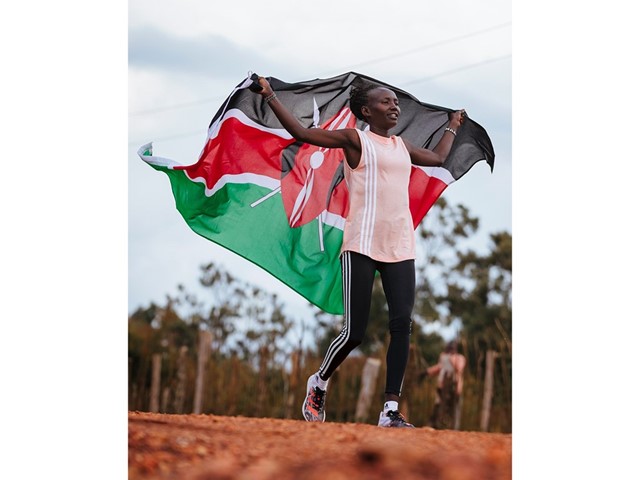
The adizero continues breaking records with Haile Gebrselassie in 2008, Mary Keitany in 2017 – and most recently Rhonex Kipruto’s blistering 10km World Record in January 2020 – and knowing that this footwear family holds the DNA of fast in it’s construction, building a new generation of adizero marathon shoes was never going to be a case of taking short-cuts.Mary Keitany Sporting Prototype in Her Training Camp in Iten, KenyaON RACE DAY YOU NEED TO KNOW THAT YOU’RE WEARING THE BEST EQUIPMENT POSSIBLE SO YOU CAN FOCUS PURELY ON THE RUNNING. FOR ME, THE ADIZERO PRO PROVIDES THAT PEACE OF MIND I NEED WHEN I BLOCK EVERYTHING OUT AND GET THAT TUNNEL VISION.Mary Keitany, Four Time New York City Marathon Winner

In fact, like a marathon runner, it was instance-after-instance of opting to do things the right way; rather than the easy way.

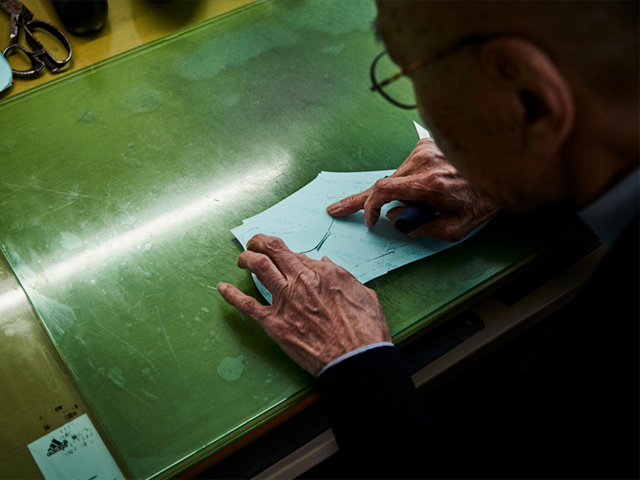
To form the basis of a new generation of fast, adidas went back to a collaborator of more than 20 years – Yoshitori Omori.

Omori-San’s name will be a familiar one to runners. From the early 2000’s, the ‘Omori Last’s were a hallmark of quality and innovation – the adizero name on a product was a sign that the shoe had been built around a new last designed with runners feet and motion in mind, and then carved by Mr. Omori in his workshop in Japan; the home of technical running.Japanese Master Shoe Creator and 20-year adidas Collaborator Omori-San

With an all-new shape for the shoe secured, adidas then went about testing out technologies that would help runners be at their fastest and most efficient over 26.2 miles.

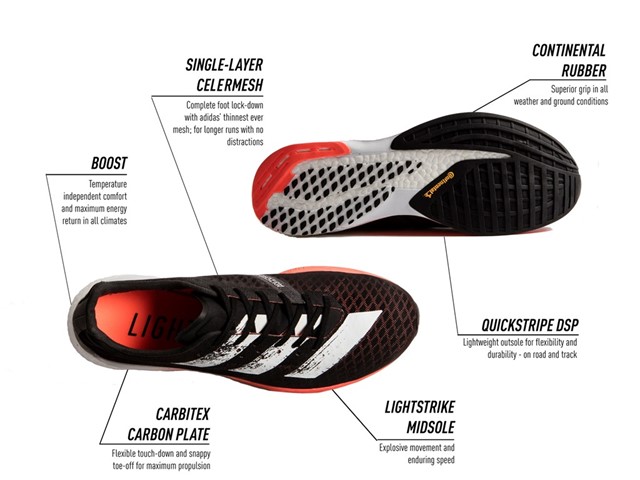
Another exercise in doing things ‘right’, the midsole of the adizero Pro introduces LIGHTSTRIKE for the first time on a running shoe.

First debuted on the NXTLVL Basketball shoe in 2018, LIGHTSTRIKE combines energy return and stability into one of the lightest TPU foams on the market for a ride that runners will appreciate across the full distance.

Sandwiched between the LIGHSTRIKE and the sockliner is an all-new CARBITEX Carbon plate. Having been a feature of adidas shoes since the 1980’s, the newly-commissioned CARBITEX plate delivers flexibility at touchdown and a snappy toe-off for maximum propulsion and an economically guided stride.

Finishing off the new features is CELERMESH: adidas’ thinnest mesh ever, which completely locks down the foot for a fast feeling with no distractions by engineering an internal support structure within the mesh itself for lightweight lockdown.

To complete the package, the iconic BOOST cushioning takes its spot in the heel to give a plush element of comfort that retains all its qualities independent of temperature, and best-in-class Continential rubber on the outsole for outstanding grip.

Advertisement:

No products found.

I get commissions for purchases made through links on this website. As an Amazon Associate I earn from qualifying purchases.
ASICS launches EVORIDE™. Its lightest, most affordable energy-savings running shoe to date

Press Release:

 With an updated midsole featuring FLYTEFOAM™ Propel, EVORIDE™ weighs just 9oz1

· Built upon innovative GUIDESOLE™ technology designed to reduce energy loss and give that feeling of effortless coasting

· The latest addition to the ASICS energy-saving family, following the launch to critical acclaim of the METARIDE™ and GLIDERIDE™ shoes last year

[7th February, 2020 – KOBE, JAPAN] – ASICS has today revealed the newest addition to the energy-saving family with EVORIDE™. Weighing just 9oz and priced at 120 USD, EVORIDE™ is the lightest and most affordable shoe in the family and follows the launch to critical acclaim of the highly successful METARIDE™ and GLIDERIDE™ shoes released last year. EVORIDE™ will be available in stores globally from February 7th.

GUIDESOLE™ TECHNOLOGY

Like the other shoes in the ASICS energy-saving family, EVORIDE™ features the signature and innovative GUIDESOLE™ technology, an ergonomic, precision-shaped curved sole that works by limiting movement in the ankle joint, the area where most energy is expended.

A SPRING IN THE STEP

Designed for neutral runners, the new EVORIDE™ offers a dramatic toe spring that gives a rolling feeling for effortless forward motion. With a moderate sole curvature, compared to the previous two shoes in the family, EVORIDE™ offers more choice for runners with differing running styles and needs who want to take advantage of the GUIDESOLE™ technology. Meanwhile, a soft one-piece midsole with full ground contact gives a smooth heel-to-toe transition and Super AHAR™ rubber under the heel delivers added durability.

UNCOMPROMISED COMFORT

Despite its lightweight design, the new EVORIDE™ sacrifices absolutely nothing in terms of comfort. The FLYTEFOAM™ Propel midsole offers outstanding cushioning and a soft, responsive underfoot feel, while the multi-directional stretch mesh upper material enhances breathability and adjusts to the shape of the wearer’s foot to deliver an excellent fit.

Kenichi Harano, Executive Officer and Senior General Manager at ASICS Institute of Sport Science, said: “After the success of METARIDE™ and GLIDERIDE™, we wanted to bring the same combination of energy efficiency, cushioning and durability to even more runners. As the lightest and most affordable member of our energy saving family, EVORIDE™ is the perfect partner for both fast, tempo training and long distances, helping runners push their own boundaries of speed and endurance like never before.”

EVORIDE™ will be available for men and women from ASICS retail, online stores and specialist running outlets globally from February 7th, 2020. Visit www.asics.com for more information.

TECHNOLOGY OVERVIEW

EVORIDE™ features the following proprietary technologies:

1. GUIDESOLE™ TECHNOLOGY: curved midsole construction helps minimize movement in the area where most energy is expended; the ankle joint and allows

2. FLYTEFOAM™ PROPEL TECHNOLOGY: Lightweight midsole foam is soft and responsive for a more cushioned underfoot feel.

3. ENGINEERED MESH UPPER: Multi-directional stretch mesh adjusts to the shape of the foot for an excellent fit.

4. ROLLING MOTION LAST: More toe spring encourages a rolling motion from foot strike to toe-off.

5. FULL GROUND CONTACT: The sole provides a smoother transition from heel strike to toe-off.

6. LIGHT AHAR™ SPONGE RUBBER: Outsole rubber reduces wear and improves cushioning.

7. SUPER AHAR™ HEEL-PLUG: ASICS higher-abrasion rubber is used in heavy wear areas to extend the life of the shoe.

Advertisement:

No products found.

I get commissions for purchases made through links on this website. As an Amazon Associate I earn from qualifying purchases.