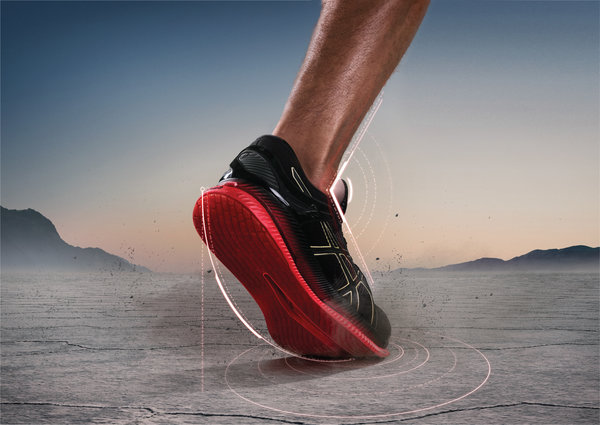
The evolution of running shoes is a tale of material science, biomechanics, and cutting-edge engineering, all working in concert to enhance performance, prevent injuries, and maximize comfort.
Cushioning Technologies
One of the earliest and most significant innovations in running shoes is the development of advanced cushioning technologies. Ethylene-vinyl acetate (EVA) foam has been a staple in the industry for decades, known for its lightweight and shock-absorbing properties. However, the pursuit of superior cushioning led to the advent of air and gel systems. Nike’s Air technology, which incorporates pressurized air units within the sole, and ASICS’ Gel cushioning, which uses silicone-based gel, have set benchmarks for comfort and impact reduction. More recently, Adidas’ Boost foam, made from thermoplastic polyurethane (TPU) pellets, has revolutionized cushioning by offering exceptional energy return and durability.
Energy Return and Propulsion
Modern running shoes are not just about cushioning; they are also engineered to enhance energy return and propulsion. Carbon fiber plates, popularized by Nike’s Vaporfly series, are a groundbreaking innovation in this regard. These plates act like a spring, providing a propulsive effect that helps runners conserve energy and maintain speed over long distances. Another notable development is the use of Pebax foam, seen in Nike’s ZoomX shoes, which combines lightweight properties with high energy return, making it a favorite among elite athletes.
Lightweight Materials
The quest for lighter shoes has driven the adoption of innovative materials and construction techniques. Knitted uppers, such as Nike’s Flyknit and Adidas’ Primeknit, offer a seamless, sock-like fit while significantly reducing weight. Engineered mesh is another material that provides breathability and a custom fit, contributing to overall comfort without adding extra ounces. These materials not only enhance performance but also improve the aesthetic appeal of running shoes, making them stylish as well as functional.
Stability and Support
Stability is crucial for many runners, particularly those prone to overpronation, where the foot rolls inward excessively. To address this, shoe manufacturers have introduced dual-density midsoles and medial posts. Dual-density midsoles provide targeted support by incorporating firmer foam on the medial side of the shoe, helping to control pronation. Medial posts, firmer inserts placed within the midsole, offer additional support and stability. These innovations ensure that runners maintain proper alignment, reducing the risk of injuries.
Traction and Durability
Running surfaces vary widely, from smooth roads to rugged trails, necessitating advancements in traction and durability. Specialized rubber compounds and tread patterns, like those developed by Salomon and Vibram, enhance grip on various surfaces. Trail running shoes often feature rock plates, protective layers embedded in the sole to shield the foot from sharp objects and rough terrain. These advancements ensure that shoes can withstand the demands of different environments while providing reliable traction and protection.
Customization and Fit
The importance of a perfect fit cannot be overstated, and recent innovations have made significant strides in this area. Custom 3D-printed insoles and uppers are now available, tailored to the individual runner’s foot shape and biomechanics. Adaptive fit systems, such as Nike’s Flywire technology, use lightweight cables that adjust with the laces, providing a secure, customized fit. These advancements cater to the unique needs of each runner, enhancing comfort and performance.
Sustainability
As environmental concerns grow, the running shoe industry has responded with sustainable innovations. Companies are increasingly using recycled and eco-friendly materials in their products. Recycled polyester, bio-based foams, and other sustainable materials are becoming common in the manufacturing process, reducing the environmental footprint of running shoes.
Smart Shoes
The integration of technology into running shoes has opened new frontiers for performance tracking and improvement. Smart shoes equipped with embedded sensors can monitor various metrics such as distance, speed, cadence, and even impact forces. These data-driven insights help runners optimize their training, improve technique, and prevent injuries. By providing real-time feedback, smart shoes represent the convergence of sports equipment and digital technology, offering a holistic approach to running.
Conclusion
The continuous innovation in running shoes reflects a blend of art and science, driven by a deep understanding of runner’s needs and technological advancements. From enhanced cushioning and energy return to lightweight materials and smart technologies, these innovations have fundamentally changed the running experience. As the industry continues to evolve, the future promises even more sophisticated solutions, ensuring that runners of all levels can enjoy greater performance, comfort, and safety. The journey of running shoes is a testament to human ingenuity and the relentless pursuit of excellence, making running not just an activity but an ever-evolving experience.
Advertisement:
No products found.
I get commissions for purchases made through links on this website. As an Amazon Associate I earn from qualifying purchases.